System overviewEngineered around your production requirement
Industrial Metal Pickling Lines provide an effective solution for preparing metal surfaces by removing rust, mill scale, oxidation, and other unwanted surface layers. The process is widely used in metal manufacturing and surface treatment industries where clean, uniform surfaces are essential for subsequent processing, coating adhesion, and product quality.
The production line is engineered according to substrate materials, surface conditions, contamination levels, and required treatment capacity. Different pickling chemicals, including hydrochloric acid, sulfuric acid, or other suitable formulations, can be selected based on the metal type and specific process requirements. Treatment time, acid concentration, and operating temperature are carefully controlled to achieve effective oxide removal while minimizing excessive metal loss.
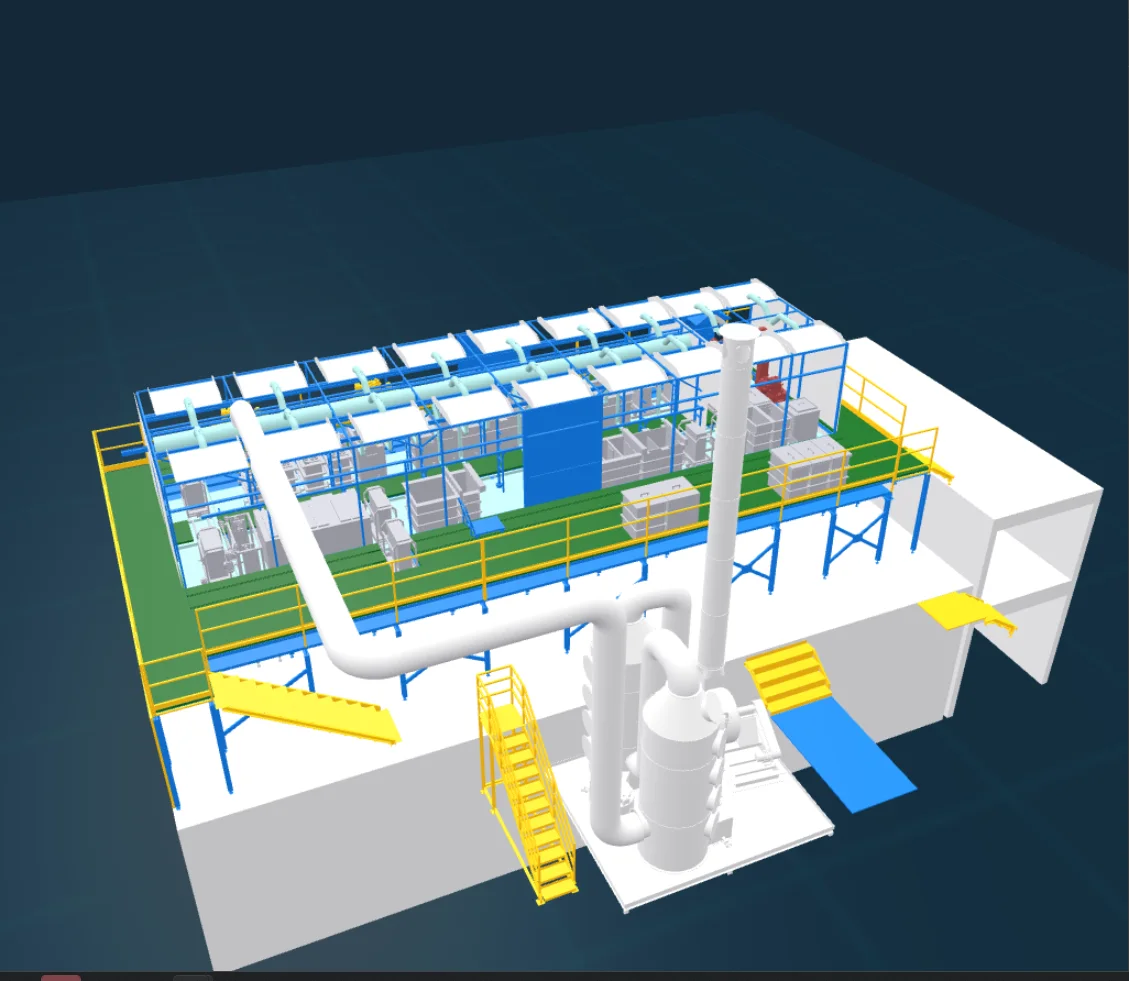
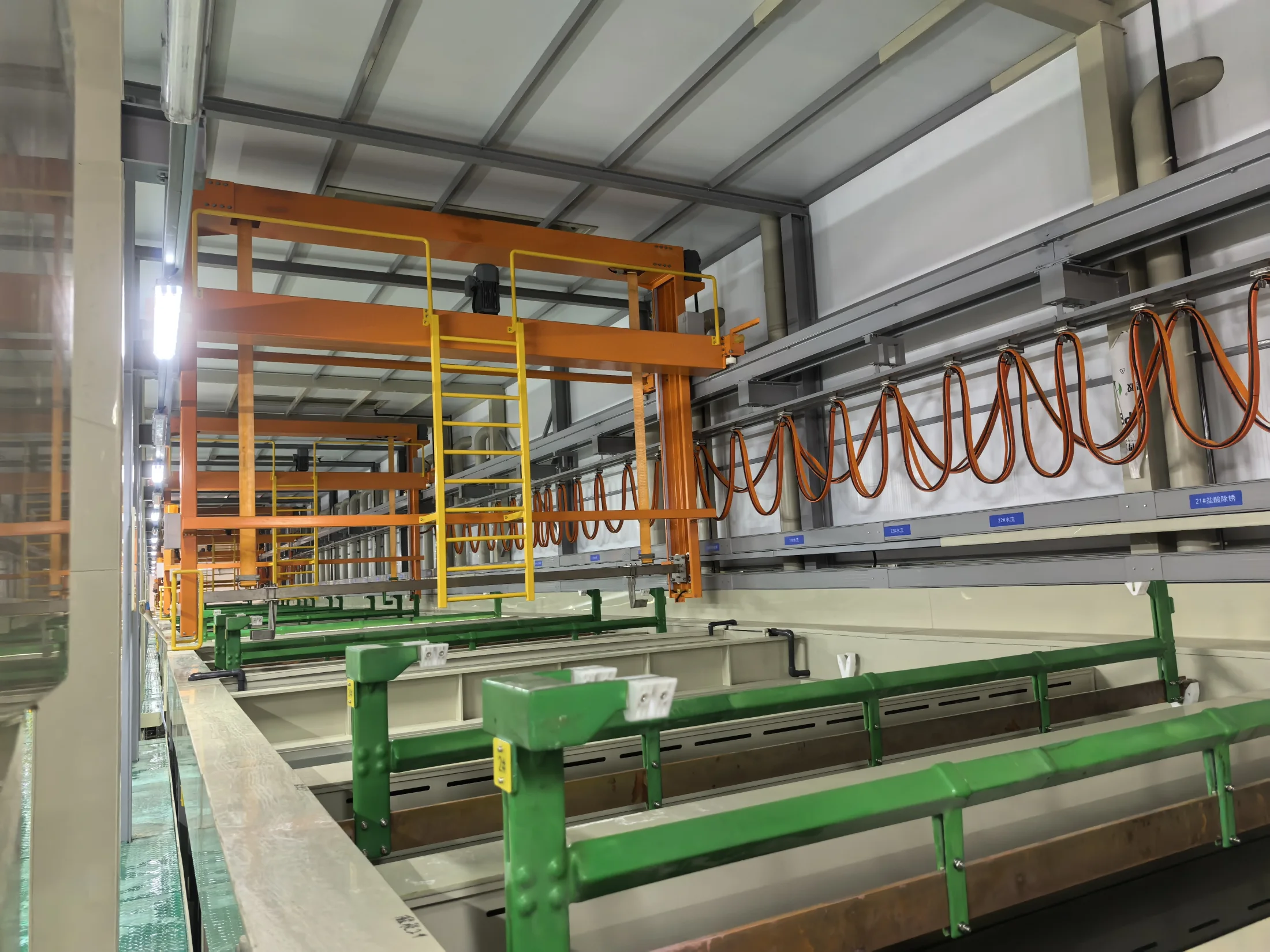
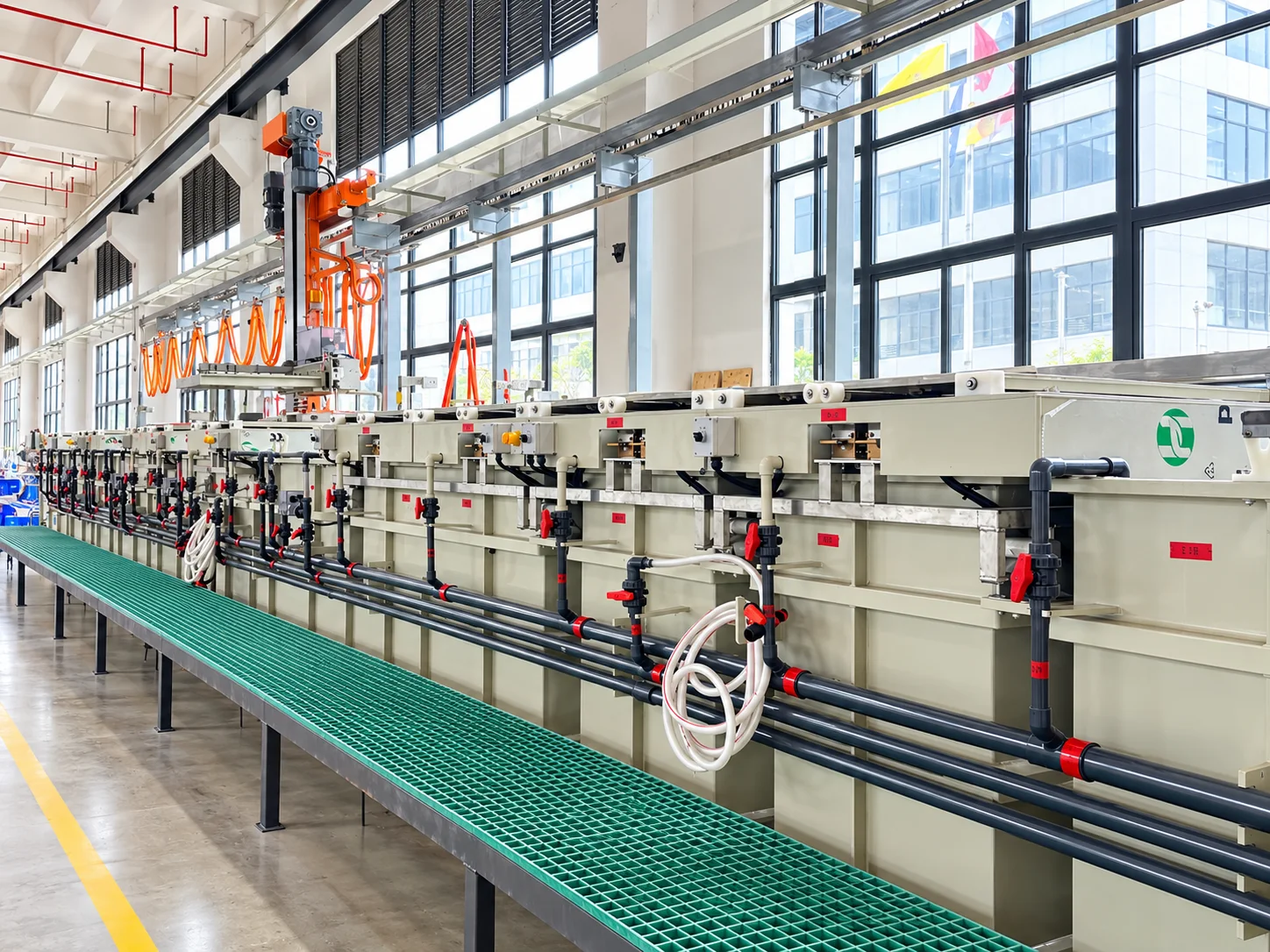
Equipment configurations typically include acid-resistant processing tanks, heating systems where required, chemical circulation, exhaust collection, and multi-stage rinsing stations. Tank construction materials such as PP, PVC, or PVDF are selected according to chemical compatibility, operating temperature, and mechanical requirements.
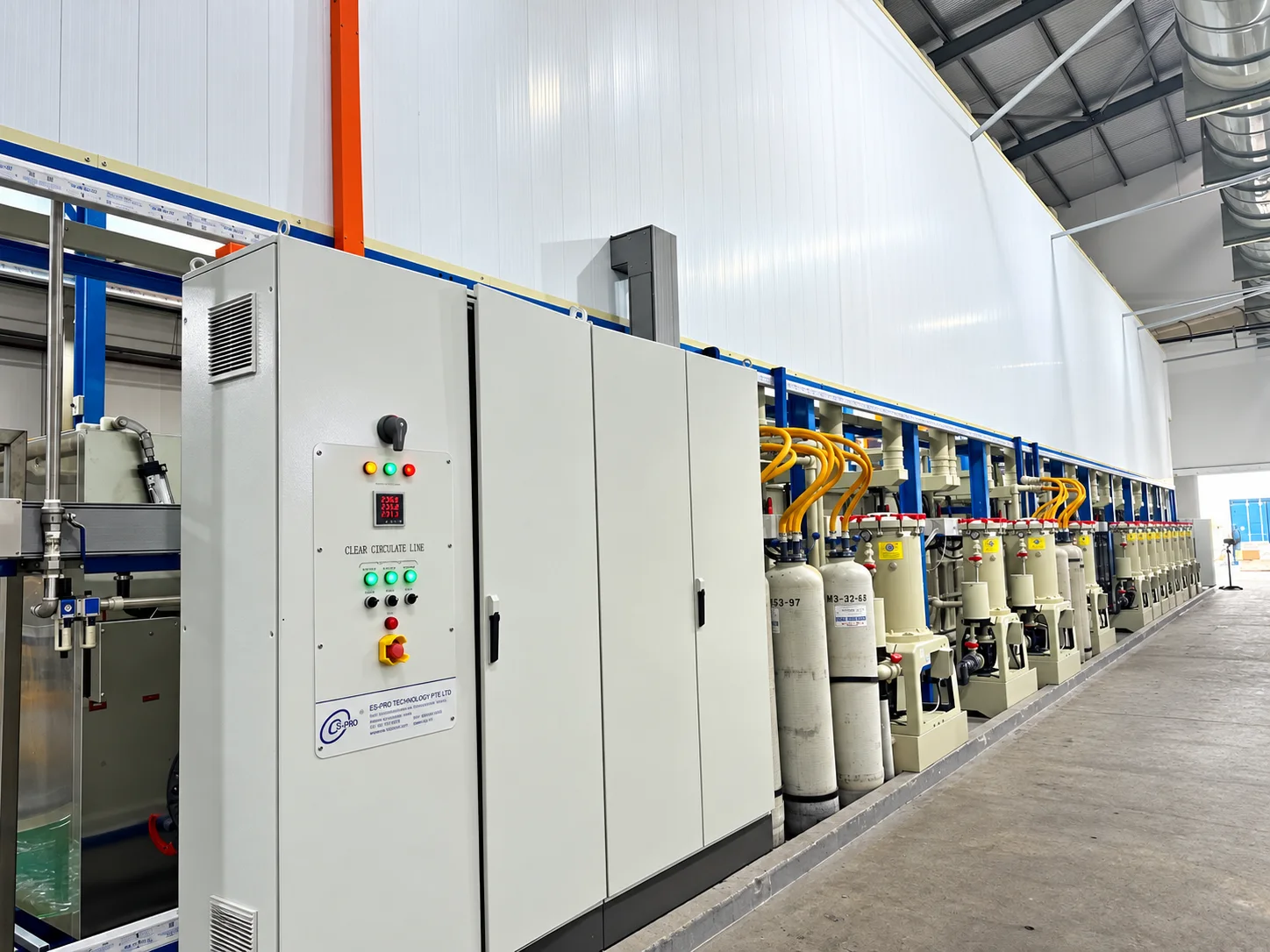
For improved production efficiency, the line can incorporate automatic gantry hoists, workpiece handling systems, and PLC-based process controls. These features enable accurate immersion timing, coordinated material transfer, temperature monitoring, and consistent operation across different treatment stages.
Environmental protection and operator safety are important considerations in pickling line design. Integrated exhaust ventilation, acid mist scrubbers, chemical containment, wastewater collection, and suitable rinsing arrangements help control chemical exposure, reduce water consumption, and support compliance with applicable environmental and workplace safety requirements.
The system can be customized for steel components, fabricated metal structures, pipes, fasteners, and other industrial products. From process evaluation and equipment engineering to installation and commissioning, each pickling line is developed to support stable operation, efficient chemical utilization, straightforward maintenance, and long-term production reliability.
Typical process architectureProcess flow
LoadingDegreasingRinsingPicklingRinsingNeutralization / ActivationFinal RinsingDryingUnloading
The displayed flow is an engineering reference. The final sequence, chemistry, dwell time and control points are confirmed for the customer’s process.
ApplicationsWhere this system fits
Pickling lines are widely used for metal components that require removal of rust, oxide scale and surface contamination before further processing.
Steel and stainless steel components
Automotive parts
Fabricated metal products
Pipes, tubes and fittings
Hardware and fasteners
Precision-machined components
Components before electroplating or coating
Industrial parts requiring clean and activated metal surfaces