System overviewEngineered around your production requirement
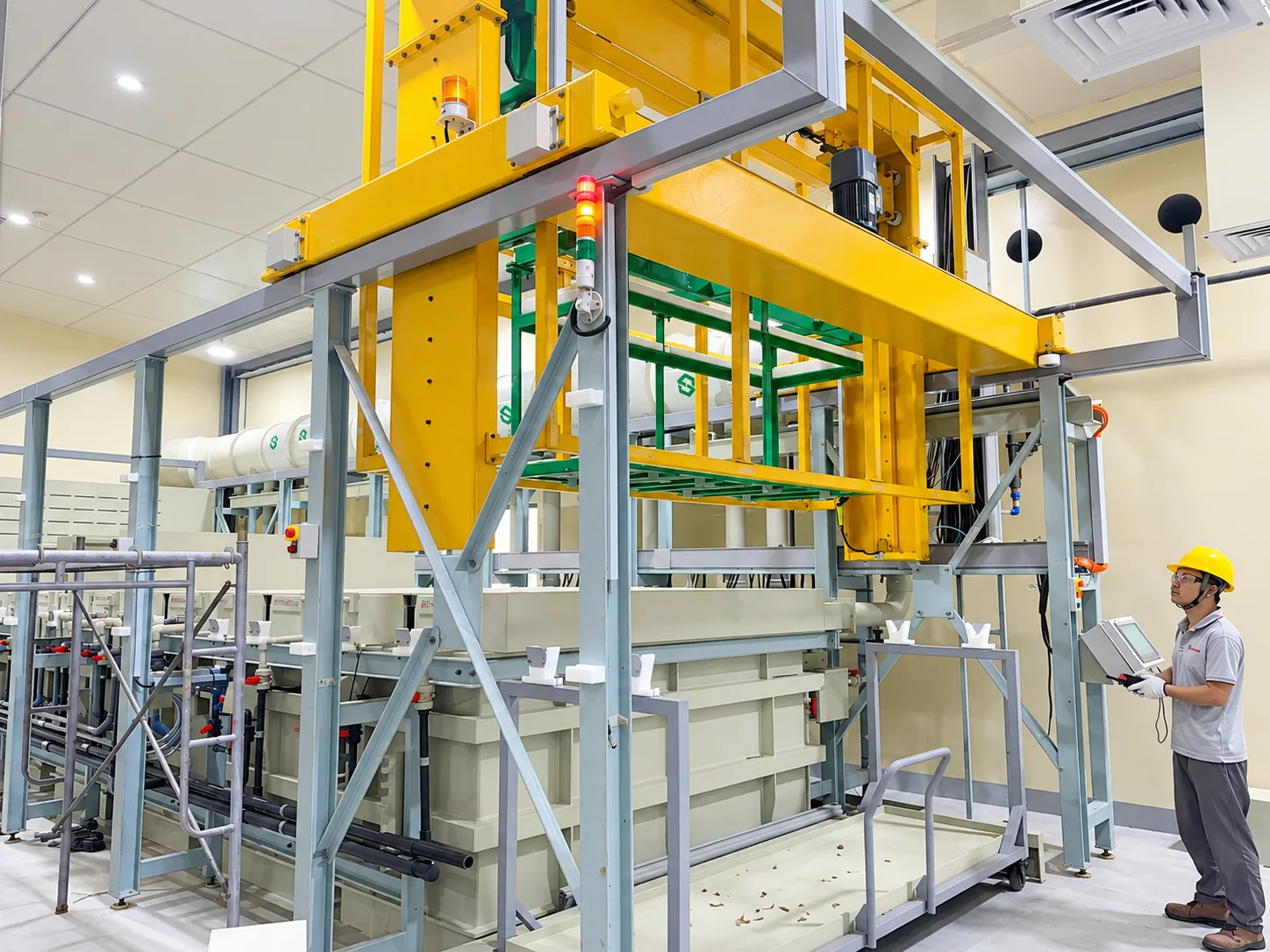
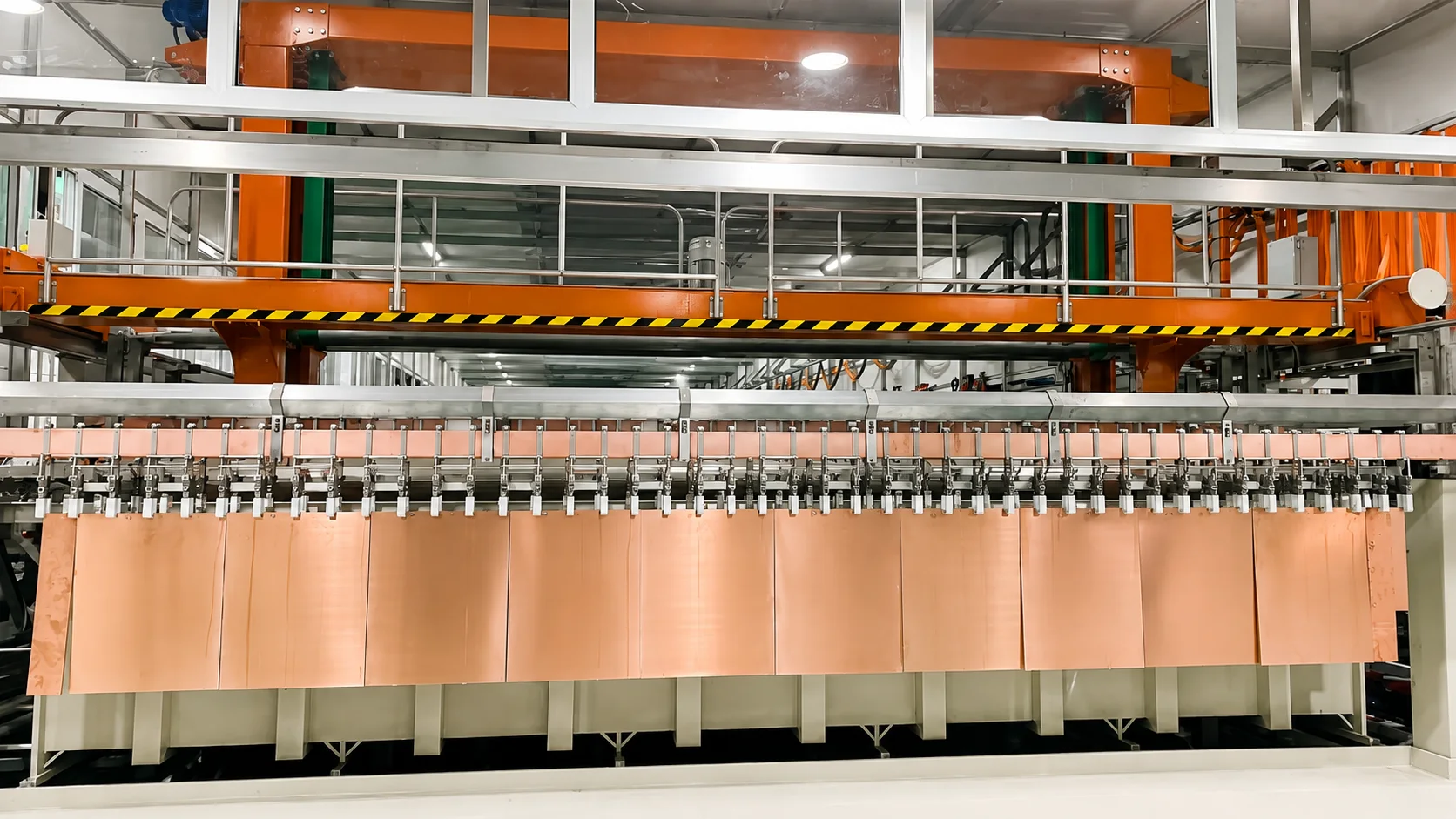
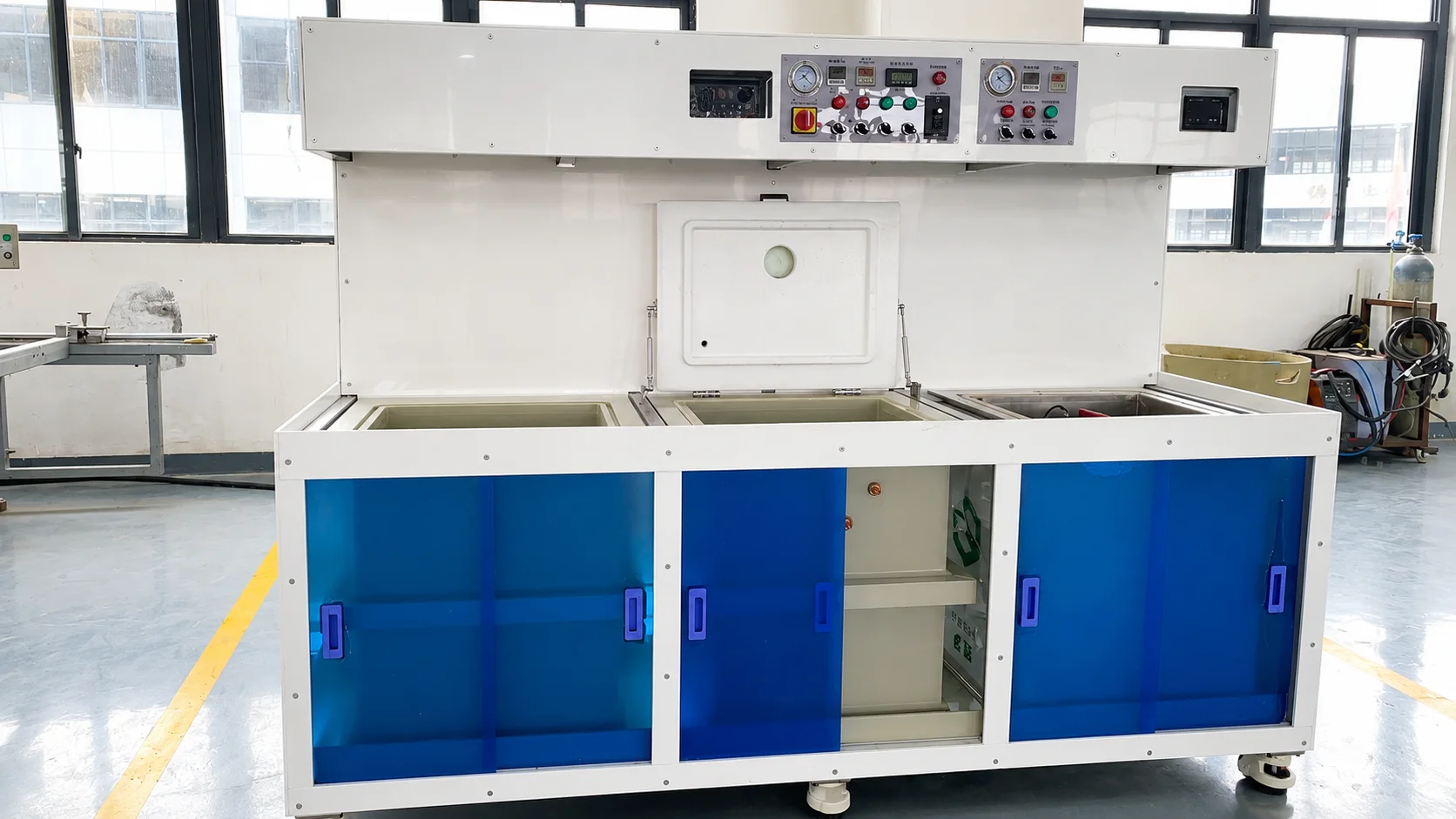
The Vibratory Electroplating Pilot Line is developed to support precision surface treatment, plating process evaluation, and technical testing for small electronic and metal components. The system utilizes vibratory plating technology to provide controlled movement of workpieces during electroplating, helping achieve consistent coating coverage while minimizing mechanical damage to delicate parts.
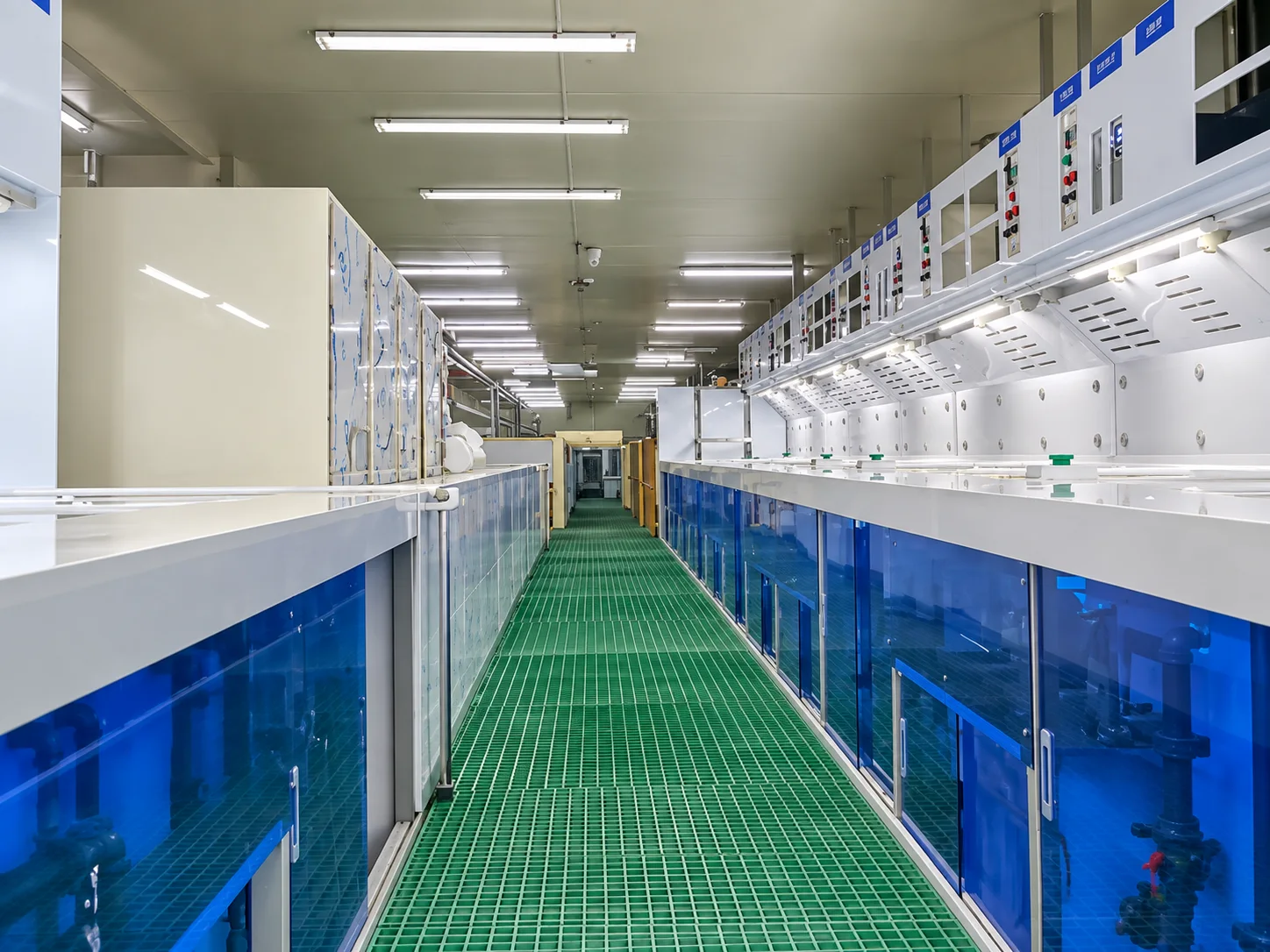
The pilot line integrates essential processing stages, including surface pretreatment, electroplating, rinsing, and post-treatment, with operating parameters adjustable according to different materials, coating requirements, and experimental objectives.
Designed for research and process optimization, the system allows engineers to evaluate plating performance under different operating conditions, including current density, treatment time, chemical concentration, and vibration parameters. This flexibility supports coating quality assessment, process validation, and the development of suitable production procedures.
With a compact equipment arrangement and flexible process configuration, the line provides a practical solution for laboratory testing, new product development, and small-batch production trials. It also supports the transition from experimental processes to larger-scale industrial electroplating applications.
Typical process architectureProcess flow
Chemical DegreasingWater RinsingElectrolytic DegreasingWater RinsingAcid ActivationDI Water RinsingVibratory ElectroplatingRecovery RinsingMulti-Stage Counterflow RinsingDI Water RinsingDryingQuality Inspection
The displayed flow is an engineering reference. The final sequence, chemistry, dwell time and control points are confirmed for the customer’s process.
ApplicationsWhere this system fits
The Vibratory Electroplating Pilot Line is suitable for precision plating applications requiring controlled processing, uniform coating quality, and minimal mechanical damage to small or delicate components.
Electronics & Semiconductor Industry: Experimental plating of miniature electronic components, connectors, terminals, and precision conductive parts.
Precision Metal Components: Surface treatment trials for small, complex-shaped metal parts requiring uniform coating thickness and consistent plating quality.
Automotive Electronics: Testing of protective and functional coatings for electrical contacts, miniature terminals, and electronic components.
Medical Devices: Evaluation of electroplating processes for small, compatible medical components and precision instruments.
Research & Development: Development and optimization of plating parameters, chemical formulations, current density, and vibration settings.
New Product Development: Small-batch plating trials to evaluate coating adhesion, surface appearance, corrosion resistance, and process feasibility.
Industrial Process Validation: Testing and verification of plating performance before scaling up to commercial production lines.