Five factors to plan before investing in a plating line
A practical engineering checklist covering process, capacity, automation, utilities and compliance.

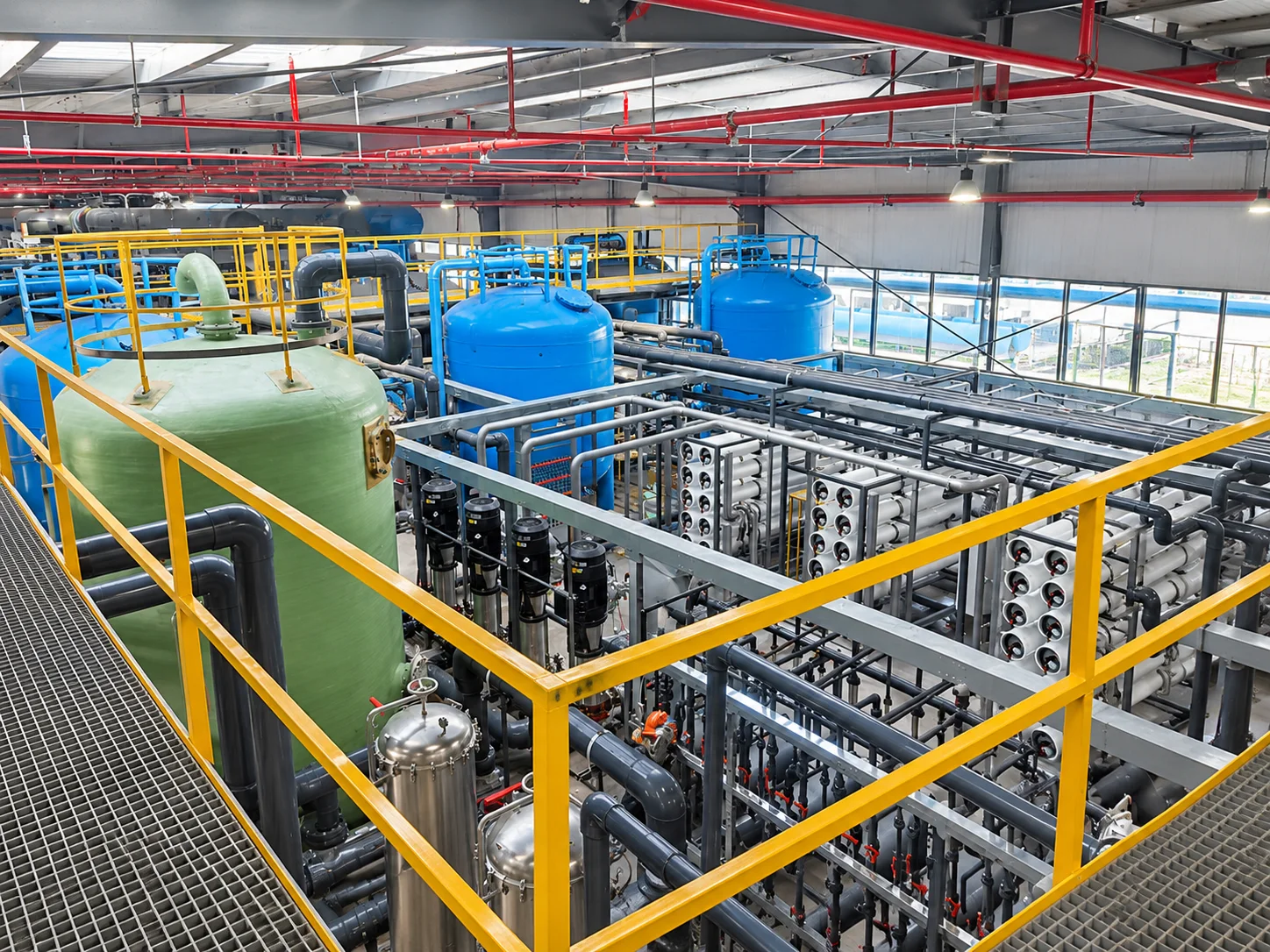
A practical engineering checklist covering process, capacity, automation, utilities and compliance.
Before investing in a new plating line, several key factors should be defined clearly to avoid unnecessary cost, layout limitations and future production problems.
Product size, material, rack or barrel type, coating specification and required plating sequence directly affect tank dimensions, rectifier capacity, handling method and process layout.
Required output, batch size, cycle time and operating hours determine the number of tanks, transfer equipment, rectifier quantity and overall line size.
Available floor space, ceiling height, drainage, power supply, DI water, compressed air, exhaust and wastewater-treatment capacity should be confirmed before finalising the equipment layout.
The required level of automation should match the production volume and quality requirements. This may range from manual operation to fully automatic transfer, recipe management, SCADA monitoring and production traceability.
Exhaust treatment, wastewater handling, chemical storage, local safety requirements and future capacity expansion should be considered from the beginning to avoid costly modifications later.
A well-planned plating line should balance process requirements, production capacity, investment cost, operating efficiency and future flexibility
Share your process and project requirements with the ES-PRO engineering team.

AI-assisted guidance. Final specifications are confirmed by ES-PRO engineers. · Your conversation is saved on this device. privacy policy