Improving consistency in ultrasonic cleaning
How frequency, chemistry, filtration and tank layout work together to produce repeatable cleaning.

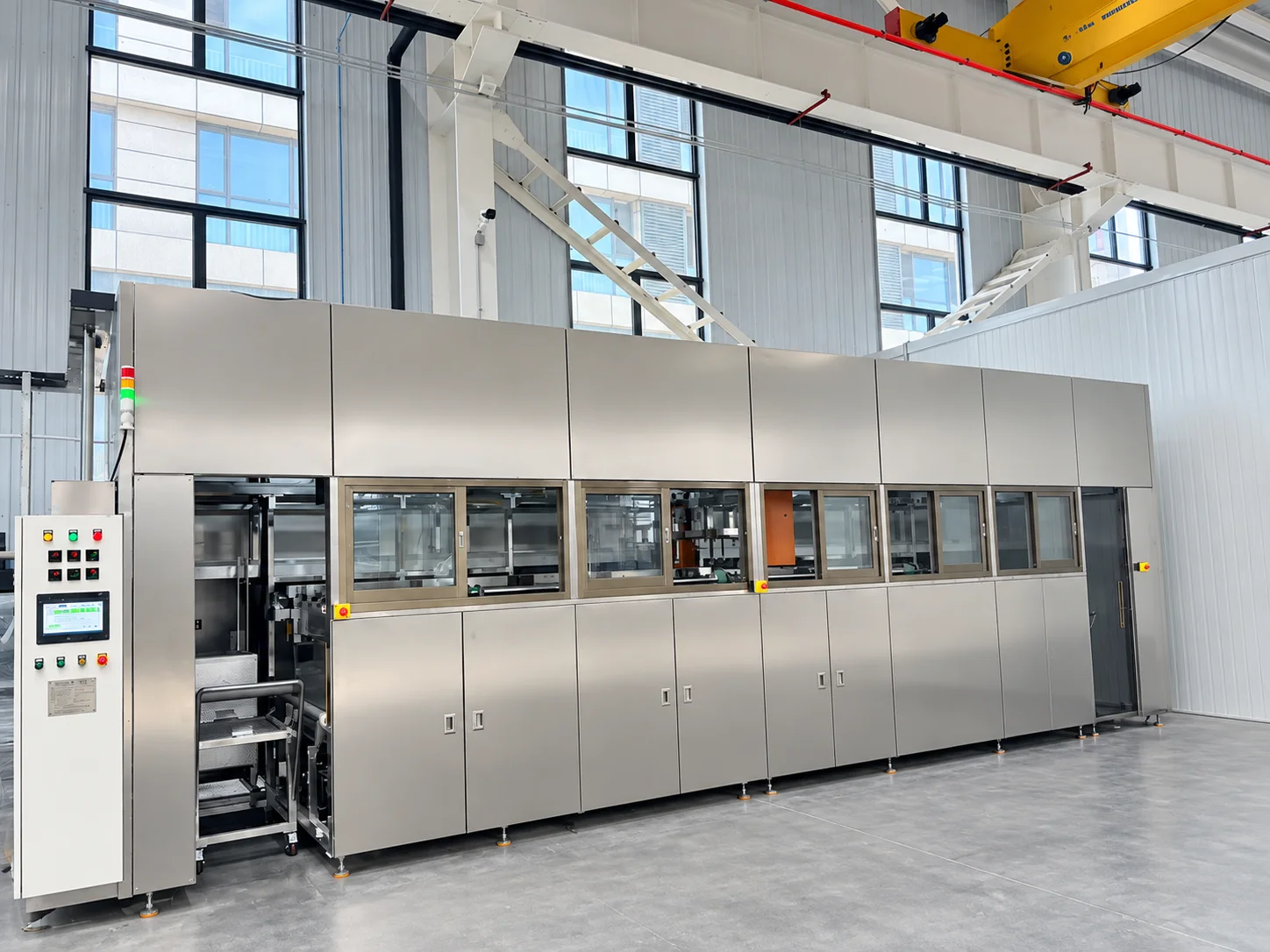
How frequency, chemistry, filtration and tank layout work together to produce repeatable cleaning.
Consistent ultrasonic cleaning depends on more than ultrasonic power alone. Tank design, solution condition, product loading and process control all influence the final cleaning result.
The frequency and power level should be selected according to the product material, geometry and type of contamination to achieve effective cleaning without damaging sensitive surfaces.
Parts should be positioned so that ultrasonic energy can reach critical surfaces, holes and recessed areas. Overloading the basket can reduce cleaning effectiveness.
Stable temperature helps maintain consistent cleaning performance and supports the effectiveness of the selected cleaning chemistry.
The cleaning cycle should be long enough to remove contamination while avoiding unnecessary processing time or excessive exposure.
Filtration, circulation and regular solution replacement help control contamination build-up and maintain stable cleaning performance.
Effective multi-stage rinsing, including DI water where required, helps remove residual chemicals and loosened contaminants from the product surface.
Temperature, ultrasonic operation, tank level and cycle time should be monitored to ensure that each batch is processed under controlled conditions.
A well-designed ultrasonic cleaning process improves repeatability, reduces cleaning defects and supports more stable downstream production.
Share your process and project requirements with the ES-PRO engineering team.

AI-assisted guidance. Final specifications are confirmed by ES-PRO engineers. · Your conversation is saved on this device. privacy policy